domingo, 15 de mayo de 2016


Conclusion:


Creating a blog from January to May of 2016 of this semester was very entertaining and fun. The concept of this year was about our career, so all the subjects had to do with our study area. In my case, my area of ​​study is Psychology and Mental Health. Through this blog, I could share weekly issues regarding the field of psychology. There were a variety of topics such as: managing emotions, child abuse, suicide, psychology and special education, among others. They all have to do with the field of psychology and the various problems that arise primarily, attack the emotions of humans. This is why it is important that at a time when we are facing a difficult situation is important to recognize the problem and ask for help to begin to work immediately and seek possible solutions. Everything in life has a solution. Even if it is or seems difficult to overcome, to function properly and healthily, we need to have a good mental and emotional heal.


jueves, 12 de mayo de 2016


Creating a blog from January to May of 2016 of this semester was very entertaining and fun. The concept of this year was about our career, so all the subjects had to do with our study area. In my case, my area of ​​study is Psychology and Mental Health. Through this blog, I could share weekly issues regarding the field of psychology. There were a variety of topics such as: managing emotions, child abuse, suicide, psychology and special education, among others. They all have to do with the field of psychology and the various problems that arise primarily, attack the emotions of humans. This is why it is important that at a time when we are facing a difficult situation is important to recognize the problem and ask for help to begin to work immediately and seek possible solutions. Everything in life has a solution. Even if it is or seems difficult to overcome, to function properly and healthily, we need to have a good mental and emotional health.

domingo, 8 de mayo de 2016

Guidance on the law about minors:

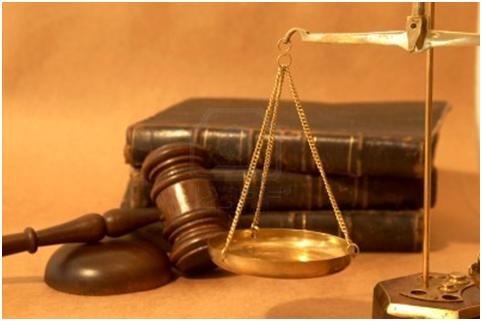
On April 28, 2016 I attended a conference on minors, conducted by the Department of Family. The conference was hosted by the family attorney in the Justice Department, Wilmary Columbus. The conference was primarily aimed to discuss two very important topics: abuse and negligence. Abuse is defined as a father, mother or guardian of a child that causes or expose risk (intentional omission) and causes any physical, emotional, and mental damage, among others. Negligence is exposing a minor to lack of care, food, and home, among others. However, according to constitutional rights, parents have the right to raise their children as they wish, but this is not absolute as there is a "Parens Patriae" in which the state has the authority or power to intervene when minors or disabled persons cannot defend themselves to provide protection. So, this right yields to the power of the state if a parent is mistreating or neglecting a child. That is where the Law 246 passed in 2011 arises; this law works especially in Puerto Rico with juvenile cases. This brought a new public policy on what is the intervention with cases of abuse of minors. In Puerto Rico, cases of child abuse as cases of domestic violence are the topic of the day; so there is a duty of the citizen; in which it is our responsibility to talk to the authorities if they see or witness any act of violence. Sometimes this does not happen because we fear for the consequences that could happen, but police telephone lines are completely confidential and witness protection programs as well.

As far as I'm concerned, we were born to live and be free, not to be treated like rag dolls. Every human being deserves respect and has rights which must be enforced. This is why it is important in our duty as citizens to have knowledge about the laws because we live in a country in which the crime wave increases every day, more violence and patterns of abuse is generated. Being informed allows us to recognize possible patterns of abuse and what procedures to follow in cases like these because throughout our career as future psychologists this is something that we’ll often witness and must learn to handle.
                                                                  

domingo, 1 de mayo de 2016


Family Therapy: Techniques for psychologists

Family therapy is a therapeutic discipline that addresses the intervention and treatment of the family as a whole. From the systemic point of view, the term family and couple therapy is used. However, it is understood that the object of intervention are family systems and subsystems. Family therapy can be developed from different fields, such as psychotherapy. The main objectives of family therapy are: improving the functioning of the family at different levels, increasing mutual understanding and emotional support among members the members, and developing coping strategies and problem-solving skills to different dilemmas and life situations. In family therapy, the therapist works with the family so they can try new ways of interacting with each other or think ways they can solve their problems.

In order to accomplish this, therapists use techniques to facilitate communication. Also, the therapist is free to move around the room, sit next to a family member to achieve establish an emotional connection with those who are resistant or draw attention to a family member. The therapist can also start a conversation between two family members to see their relationship from their perspective. Therapists help clients define treatment goals to improve the problem or symptom. They see development in the life cycle of the individual and couple or family. At the same time, they understand that the relationship between families members created with the use of different techniques is more effective. Listening, empathizing, interpreting and maintain analytical neutrality in family therapy several techniques are several techniques that therapists use. Of these four basic techniques, which are simple but not easy, the most important one is hearing. The therapist’s biggest job is to listen. The therapist does not confront or lead; he or she allows the family to submerge themselves in the experience. When the therapist intervenes, it expresses understanding, support and performs interpretations. Before attempting to make a change in the family, you should question your understanding of them, which he/she clearly understands by their knowledge of the family’s personality and behavior.

However, I believe that family therapy is extremely important because regardless of the problems the family faces, they must solve them to have a better quality of life. The goal of family therapy is to maintain the bond between parents and children, which can be achieved through communication. I believe that seeking help is the best solution to clarify existing problems and maintaining harmony. Family is extremely important and although parents decide not to continue together, family dysfunction should not exist nor affect any party, including children. In addition, as mentioned before, techniques to be performed by a psychologist during therapies are important because these are the key to success for a good handle of individuals, groups, couples and family therapy.

domingo, 24 de abril de 2016

A neuroconstructive approach to manage obesity:


Yesterday I had the opportunity to participate in the fourth symposium of neuropsychology at the University of Puerto Rico in Cayey offered by Dr. Laura Oliver Trinidad Ph.D. A number of topics related to psychology and mental health which are closely linked to biological and cognitive problems that directly affect humans were discussed. One of the topics that caught my attention was obesity, as it is a problem we can see on a social level and brings a number of biological, physical and emotional consequences.
Statistics and studies carried out in 2013 in Puerto Rico reported that the prevalence of obesity was 66.6%. Obesity stood out more in women with depression than men. You can see that there is a correlation between obesity and depressive symptomatology. This factor is very common as obesity brings many physical consequences but many emotional problems as well. The causes of obesity are not necessarily “eating more than you burn”, as some think. Obesity happens due to mental problems, drugs, genetic, diet changes, inactivity, among others; these can lead the individual to obtain a weight which exceeds the limits for a healthy weight according to your height and muscle mass. To work with obesity in the field of Psychology, therapists must achieve a change in the lifestyle of the person, persuade them to attend support groups, and help them set short and long term goals. In addition, psychotherapy, family, social and marital relations are very important for a person with depression and obesity, since support is essential for effective improvement. By having enough family support they will feel more secure and confident to go ahead and eliminate negative thoughts and life styles.

domingo, 17 de abril de 2016

Disorder: Anorexia Nervosa


Anorexia nervosa is a "disorder of neurotic origin characterized by a systematic rejection of food which is usually observed in young people." This disorder is accompanied by other risk factors such as: anxiety, this is present in anorexia nervosa as the person suffering from this disorder possibly went through a traumatic event or "emotional chaos" in his life, such as emotional abuse because of their weight. Distress can be targeted whether caused by a specific or generalized atmosphere. However, deterioration is another factor that is very present in any condition as in the case of anorexia. According to the DSM V, anorexia nervosa is a food restriction problem and it is important to keep those thoughts healthy; the person may not function at an optimal level since it is not properly fed. In addition, the deterioration can be seen in excessive weight loss, physical exhaustion, health conditions due to poor diet, among others. People with this behavior feel good and okay, but from another point of view, this behavior is considered an "abnormal behavior". Symptoms such as irritability, depression and emotional or personality disorders may cause risk to the person itself or those around because they do not know the way the patient can react. There are more factors that influence these risk behaviors which are beyond the control of patients so psychological help is important to treat this disorder.
As far as I'm concerned, I believe that anorexia nervosa is an "abnormal behavior" because this disorder has a number of reasons that are not within the standards of the DSM V. In addition, as mentioned above I've seen what anorexia can cause both physically, emotionally and psychologically as I did this exercise taking into account a real example. I believe that this disorder is more present in young adults who may die because of this abnormal behavior. However, this disorder can be treated, but is a process that requires a lot of time for the person to be rehabilitated and try to live a normal life inside the "social standards". Often, the same society is leading to this type of abnormal behavior because of the stigma, prejudices, and stereotypes. 

domingo, 10 de abril de 2016


Psychology and Special Education:


     Psychology plays a major role in special education, as it has a scope that no other science can also be complement thereof to achieve. As we have seen, special education should always be approached from an interdisciplinary. The psychologist must handle and address how they feel, think, learn and know the children with special needs, to help them adapt to the environment in which they operate. The main functions of the psychologist in special education are the psychological evaluation, educational psychometric and intervention with the student in various forms. They can also be a part of the planning committee and location, participate in draft legislation, provide consulting to parents, teachers and other professionals working on the development and implementation of behavioral modification, reasonable accommodation, among others. However, psychology is deeply rooted to education and that is worrying to the management of special education in Puerto Rico.

     Special Education in Puerto Rico is very alarming since throughout the years, still, these children not have the attention that they need. Special education is defined as special help designed to meet different needs of children with disabilities. According to the critics of newspaper articles that arise in Puerto Rico, these necessities have not being met for the children. There are countless news headlines that blame the Department of Education regarding the services and rights that have children with disabilities. From the downsizing of personnel, whom were removed to work in other areas that have no interaction with the children, to changes in the system; this makes children not receive the help they need. 

   Special education can include special instructions in the classroom, the home, hospitals, institutions, or other environments. Out of those options, the classroom is the most important since the child receives the education. Education is fundamental for the development of an individual and more important is the person has a disability since they can develop better in motor and intellectual activities. Now, when the Department of Education made these cuts of educational personnel to other areas in which there is no interaction with children, there is damage being done to the development of the latter. Children are being disenfranchised from their rights. These children deserve better services to help them develop into responsible adults.